

ALWAYS CONSULT YOUR INVESTMENT PROFESSIONAL BEFORE MAKING ANY INVESTMENT DECISION

May 16, 2026 | The Old Days of Open Cry Trading

Martin Armstrong


COMMENT: Mr. Armstrong, I retired from Wall Street and from your favorite competitor. You earned the nickname “the legend” because you were the greatest of all traders. We always watched your plays. You would roll the dice, and you did inspire fear in everyone’s eyes. Many could not believe you had a computer that was that good. The word was always that you had more contacts than anyone else and were infallible. I just wanted to say you paid the price for your discovery, and as a subscriber to Socrates, your computer is light-years ahead of anyone else’s.
I was there as a young trader when you took on all the firms and systematically took down all the silver traders including Warren Buffett. That trade would have made a movie like the Big Short look as child’s play. You should hold a conference on how to trade. I would attend even being retired.
K
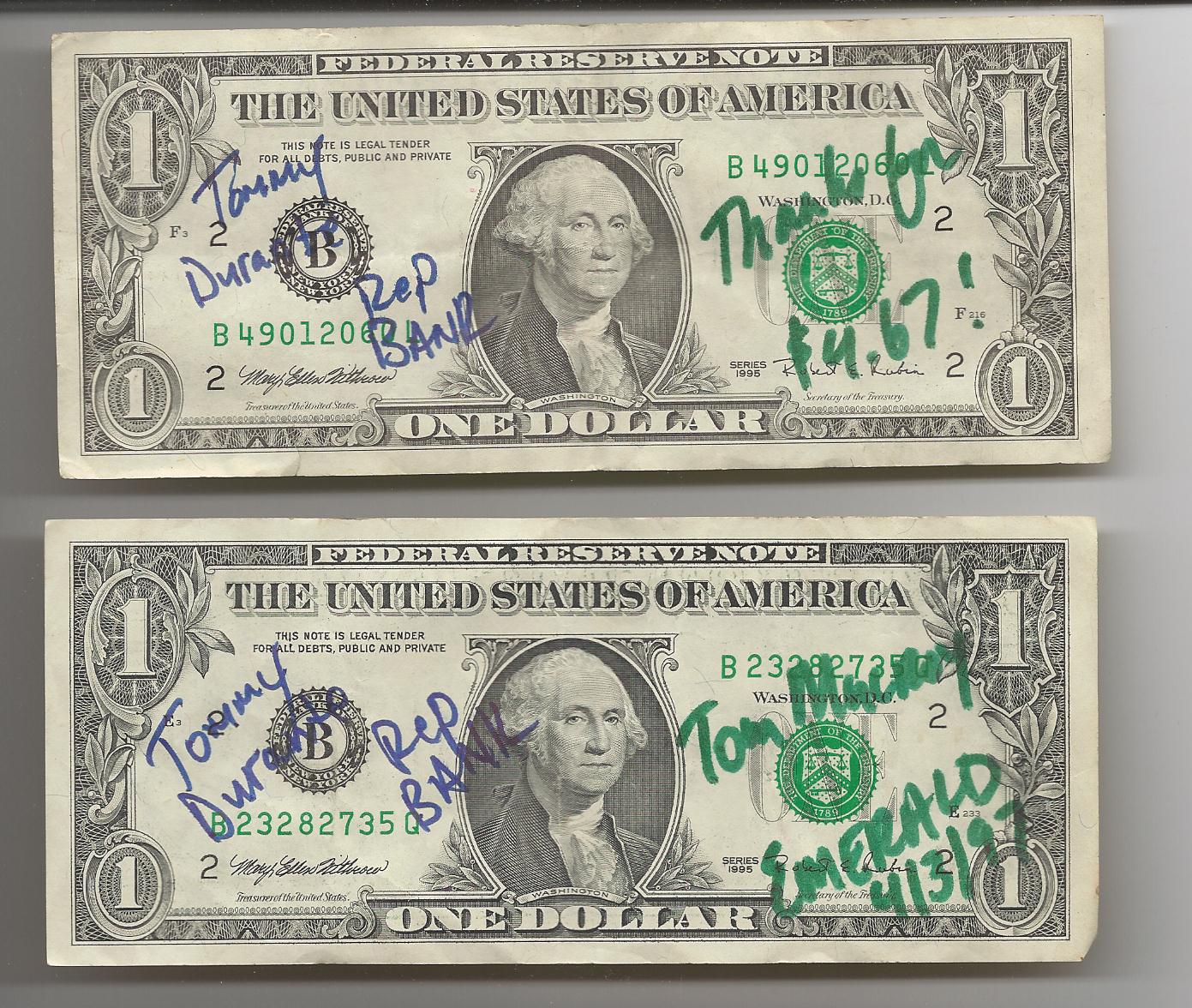
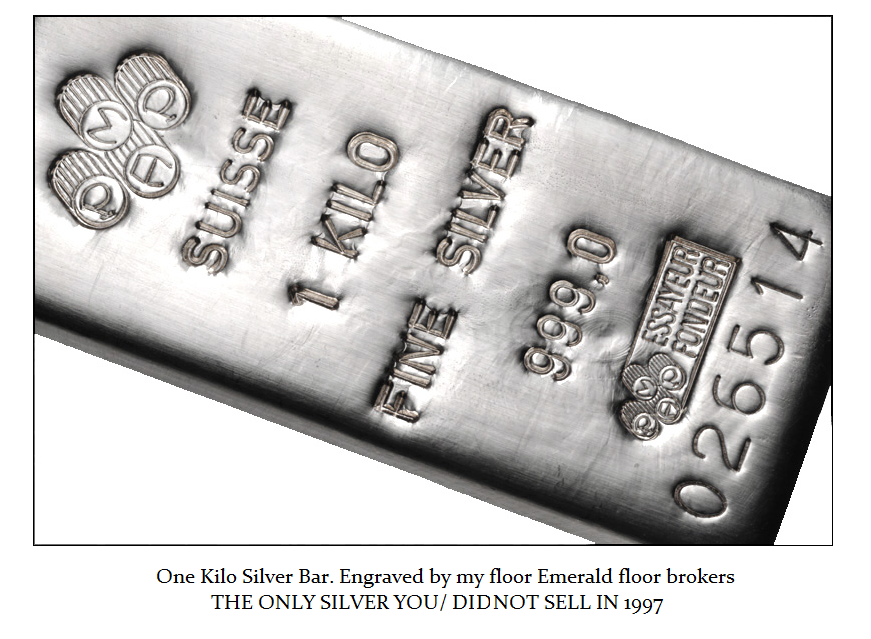
ANSWER: Yes, that trade I will always remember. The guys on the floor warned what was going on and that I would be taking on everyone. It was a lot of fun. I used Emerald Trading on the floor. That trade was legendary. They signed those bills when it was all done.
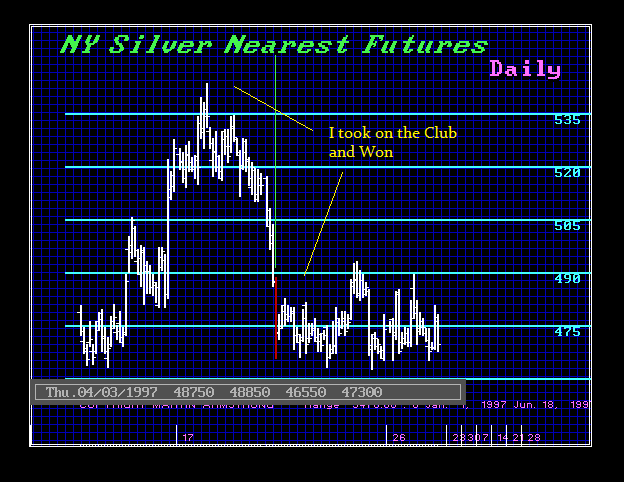
I will tell you a secret. I know what you mean when I rolled the dice I could see the fear in their eyes. That was the fun of trading in the old days. I shorted that market, took them all out, covered all my shorts, and actually went long. It was clear they assumed I was still covering shorts. I told the boys on the floor then to get aggressive in bidding to show them I was now long. I heard them scream on the floor, “He’s F–king long!” They then scrambled buying everything they could taking the market up. It was such a fun time. Forget the money. It was taking on all the bankers and watching them panic. As you said, the fear in their eyes.
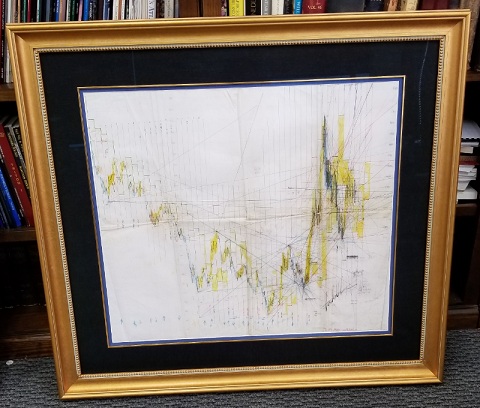
Those were the good old days. I did my charts by hand. I framed this chart up to remind me of the good old days. But everything has changed. The ticks are just flashes on a screen now. I’m not sure if I could have learned how to trade in today’s world. I could see every tick, the quantity, and the sound.
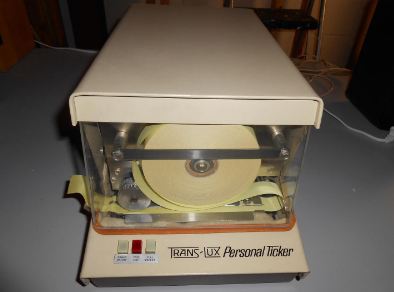
I was probably the last to have a paper tape. I remember TransLux coming in saying they had to take it. With a paper tape, you never missed anything. The sound would sound like a machine gun when something happened. Otherwise it was slow tick, tick, tick.
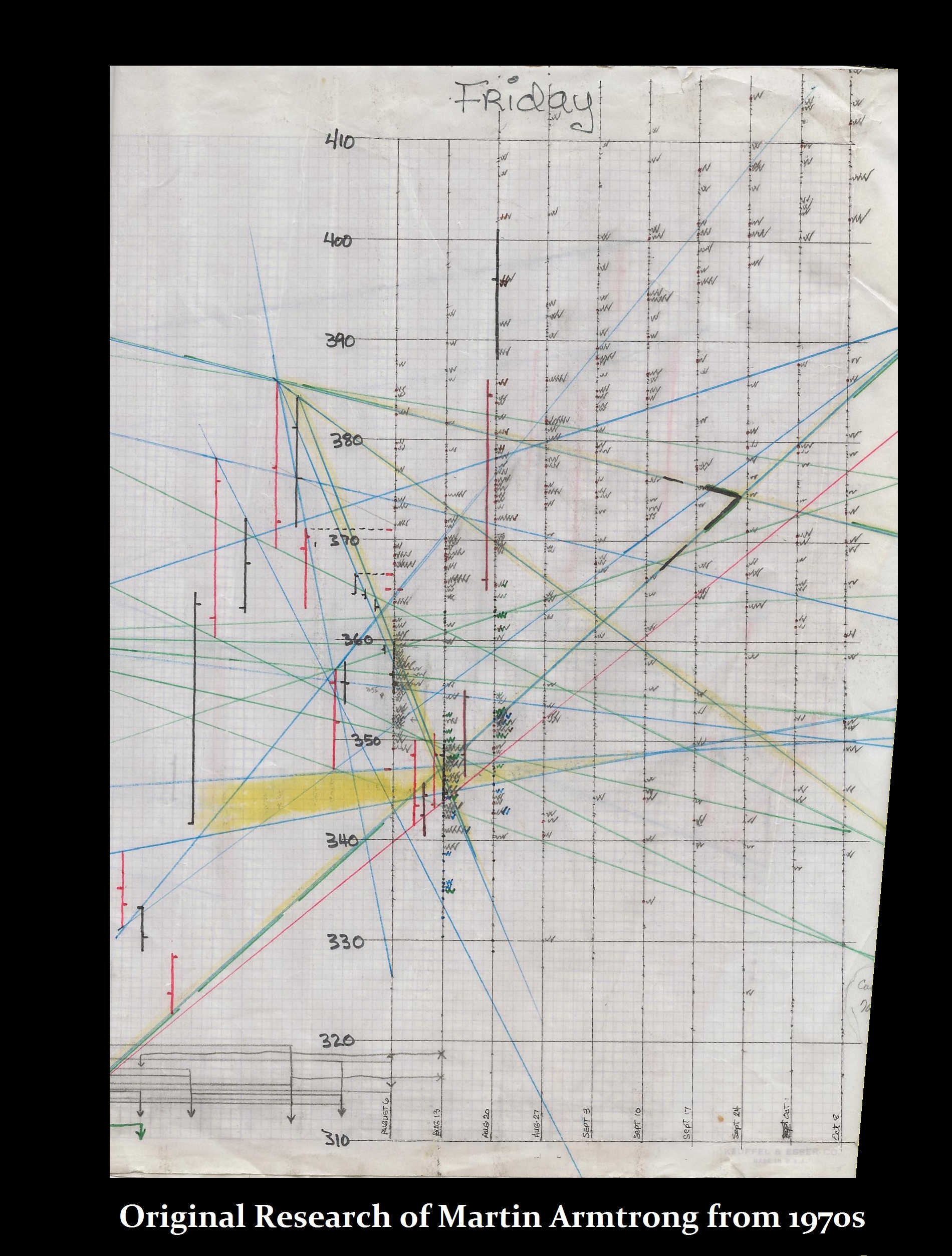
I would plot tick by tick. That taught me patterns. Floor trading (also known as open outcry) for precious metals futures on the COMEX division of the CME Group technically still exists. However, it is no longer the primary method of trading. In practice, the vast majority of COMEX gold and silver futures trading has migrated to the CME Globex electronic trading platform.
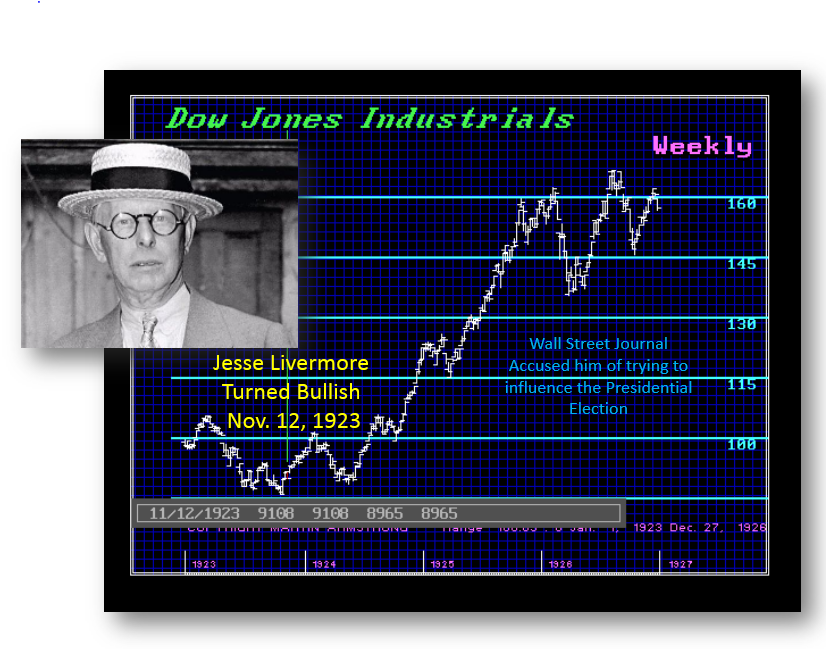
Jesse Livermore’s legendary trading career began as a “board boy” in a Boston brokerage, where his job of posting prices on a large chalkboard led him to discover recurring patterns in stock movements. His early years perfectly demonstrate how systematic observation can lead to pattern recognition. At the age of 14, Livermore worked for Paine Webber, where he would listen for price quotes shouted out by the ticker boy and quickly write them on a large chalkboard covering the firm’s wall.
Jesse saw the patterns like I did from working with the data directly. On November 12th, 1923, Jesse turned bullish. Just like me, they attacked him because they did not like his forecast. The Wall Street Journal falsely accused Jesse Livermore of turning bullish on the market because he was friends with the president. The Journal accused him of trying to influence the presidential election. When the market broke out and rallied, all the other publications took swipes at the WSJ saying everyone reported Jesse’s comments “except” the WSJ. The press is always biased and interjects their views trying to influence markets.
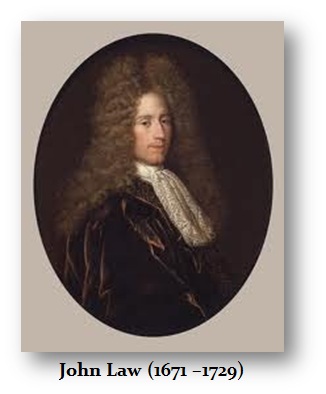
John Law’s contribution saw supply and demand before his eyes as a trader and they said he was a gambler. Academic sources confirm that Law held a “demand-and-supply theory of value” and was one of the first economic writers to systematically use the concepts of demand and supply in his analysis. He applied this framework to money, introducing the term “the demand for money” and analyzing inflation within a supply-and-demand framework. His major work, Money and Trade Considered (1705), presented these revolutionary ideas well before they became common. Adam Smith took his example of water and diamonds and never credited him.
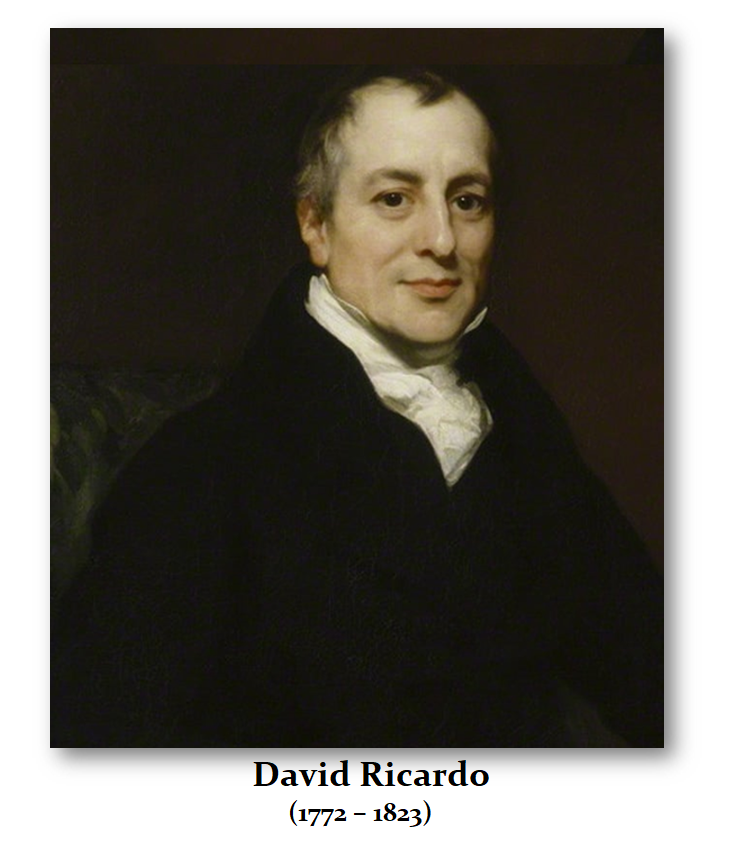
David Ricardo was a highly successful stock trader on the London Stock Exchange, and his practical experiences in the financial markets directly shaped his economic theories. Contemporary observers noted his “extraordinary quickness in perceiving the turns of the market” and his ability to spot “accidental difference which might arise between the relative price of different stocks.” These skills directly parallel the quantitative trading strategies used by modern hedge funds.
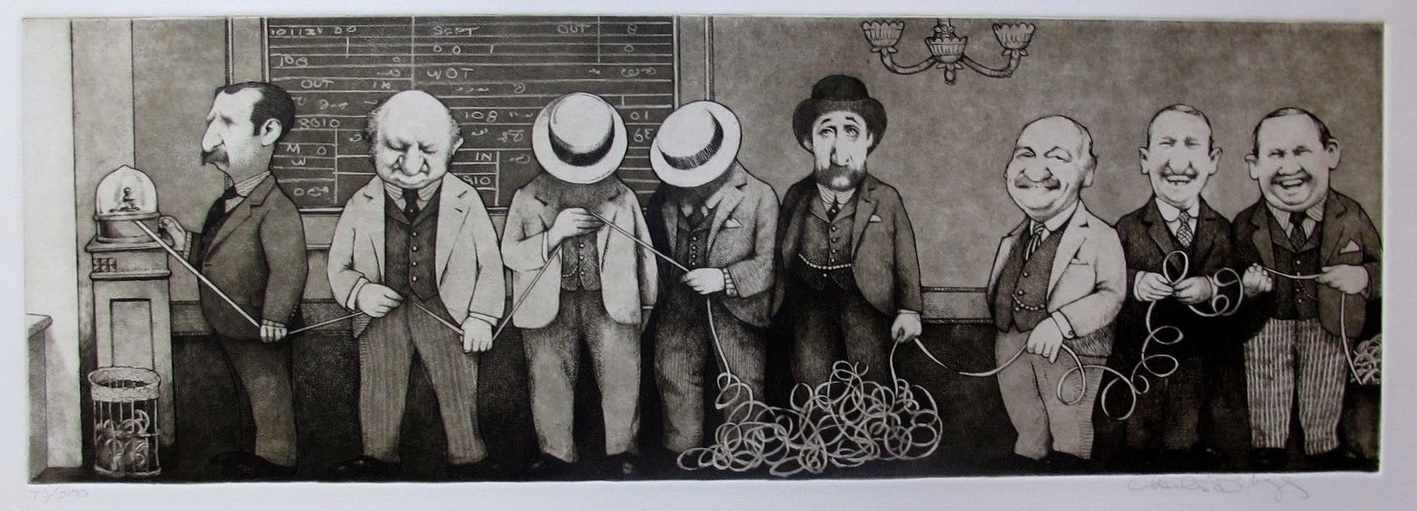
There is a common thread that runs through us all – TRADING. There are some things that cannot be taught. You have a “feel” for something or you do not. Some can see a face in a cloud and other see just a cloud and think you are nuts. There is a HUGE difference between being s TRADER and an INVESTOR who buys and holds. A TRADER looks at a chart and sees instantly a bull or bear market. You are engrossed and taught by the patterns.
Ending floor trading may prove to be the end of real trading.
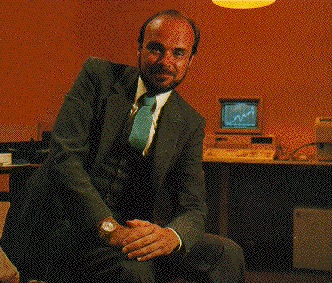
Me 1985 With an IBM XT
That is what I sought to code into Socrates. Above all, how to deal with pattern recognition
STAY INFORMED! Receive our Weekly Recap of thought provoking articles, podcasts, and radio delivered to your inbox for FREE! Sign up here for the HoweStreet.com Weekly Recap.
Martin Armstrong May 16th, 2026
Posted In: Armstrong Economics